
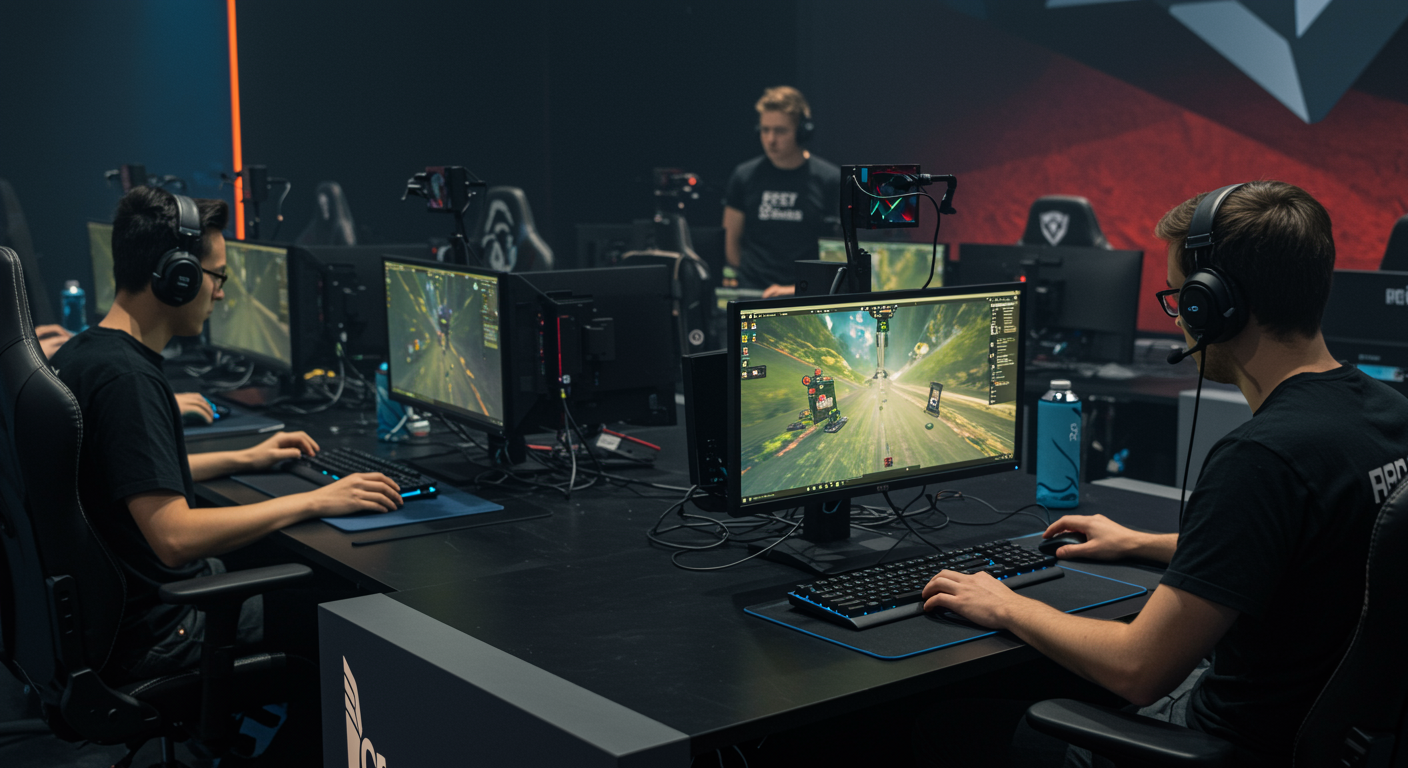
The Indian gaming landscape has undergone dramatic transformation following the implementation of the Online Gaming Act 2025. This landmark legislation has fundamentally reshaped how Indian players can engage with online gaming, creating a clear distinction between prohibited money-based betting and permitted esports activities. While traditional gambling platforms face comprehensive restrictions, esports remains a vibrant opportunity for Indian enthusiasts seeking competitive gaming experiences.
Under the new regulatory framework overseen by the National Online Gaming Commission, esports participation has been carved out as a legitimate form of digital engagement, separate from conventional gambling activities. This separation provides Indian players with legal pathways to participate in competitive gaming while ensuring consumer protection and responsible participation. Understanding these nuances is crucial for anyone looking to navigate the post-2025 gaming environment safely and legally.
India’s 2025 Online Gaming Law: Impact on Esports Betting
The Promotion and Regulation of Online Gaming Act, 2025, represents the most comprehensive overhaul of India’s digital gaming regulations in decades. The legislation established a clear regulatory split that fundamentally banned all money-based gambling games while simultaneously promoting esports with structured oversight mechanisms. This dual approach reflects the government’s strategy to eliminate harmful gambling practices while fostering the growth of skill-based competitive gaming.
The enforcement timeline began in January 2025, with immediate effects on existing platforms operating money games. Traditional betting operators faced mandatory closure or significant restructuring to comply with the new framework. Simultaneously, esports platforms received enhanced regulatory support, including streamlined licensing processes and government backing for tournament infrastructure development.
The Act’s implementation created distinct categories of digital entertainment, with esports falling under the “skill-based competitive gaming” classification. This categorization ensures that legitimate esports activities receive regulatory protection while maintaining strict boundaries against gambling-adjacent activities. The National Online Gaming Commission now oversees all esports activities, ensuring compliance with fair play standards and consumer protection measures.
Understanding this regulatory environment is essential for Indian players, as it directly impacts platform availability, payment methods, and legal participation pathways. The law’s emphasis on transparency and consumer protection has created new opportunities for safe esports engagement while eliminating previously ambiguous legal areas.
| Aspect | 2025 Law Impact | Previous Status |
|---|---|---|
| Money-Based Betting | Completely prohibited with criminal penalties | Legal grey area with state-by-state variations |
| Esports Participation | Legally protected and government-supported | Unregulated with unclear legal status |
| Platform Licensing | Mandatory NOGC certification required | No standardized licensing framework |
| Consumer Protection | Comprehensive safeguards and dispute resolution | Limited recourse for player grievances |
| Age Verification | Strict 18+ enforcement with biometric checks | Basic self-declaration systems |
Legal Definition of Esports vs. Gambling in India
The 2025 legislation established explicit legal boundaries between esports and gambling activities, providing clarity that was previously absent from Indian gaming regulations. Esports is now defined as competitive gaming where outcomes depend primarily on player skill, strategic thinking, and gaming expertise rather than chance or random events. This definition encompasses professional tournaments, ranked competitive play, and skill-based gaming competitions across various titles.
Gambling, in contrast, is defined as any activity where monetary value is wagered on outcomes determined primarily by chance, luck, or random number generation. This includes traditional casino games, sports betting on real-world events, and any form of wagering on unpredictable outcomes. The law specifically excludes fantasy sports and prediction-based games from the protected esports category.
The legal framework also recognizes social gaming as a separate category, allowing players to participate in competitive gaming without monetary stakes. This classification enables tournament participation, skill development, and community engagement without crossing into prohibited gambling territory. The distinction ensures that Indian players can enjoy competitive gaming while remaining within legal boundaries.
How Legal Changes Affect Indian Bettors
Indian players who previously engaged in traditional betting activities face significant legal implications under the new framework. Participation in money-based betting platforms now carries criminal penalties, including fines and potential imprisonment for repeat offenders. The law applies to both operators and users, making it essential for Indian players to understand their legal exposure when considering gaming activities.
However, the legislation provides clear safe harbors for esports participation through licensed platforms. Indian players can legally participate in competitive gaming, tournaments, and skill-based competitions without legal concern, provided they use properly licensed platforms and avoid monetary wagering. The law protects legitimate esports activities while maintaining strict boundaries against gambling-adjacent participation.
Popular Esports Games and Betting Markets for Indian Players
The Indian esports landscape has exploded in popularity, with several titles dominating the competitive gaming scene. Understanding the most popular games and their associated competitive markets is crucial for Indian players looking to participate in legitimate esports activities. These games offer various competitive formats, from professional tournaments to ranked matchmaking systems that allow players to test their skills against others.
Each major esports title features distinct competitive elements that appeal to different player preferences and skill sets. From tactical shooters requiring precision and strategy to multiplayer online battle arenas demanding team coordination and individual mechanical skill, the diversity of esports offerings ensures that Indian players can find competitive gaming experiences suited to their interests and abilities.
The competitive markets within these games typically focus on match outcomes, individual player performance metrics, and tournament progression. Rather than traditional wagering, these markets now emphasize skill development, ranking advancement, and tournament participation. Understanding these competitive elements helps Indian players engage meaningfully with esports while maintaining compliance with current regulations.
Professional esports tournaments in India have grown significantly, with major titles hosting regular competitions featuring substantial prize pools. These tournaments provide legitimate pathways for skilled players to compete at high levels while building careers in competitive gaming. The structured nature of these competitions ensures fair play and provides clear advancement opportunities for dedicated players.
- Counter-Strike: Global Offensive (CS:GO) – Features tactical team-based gameplay with competitive markets focused on round wins, map victories, and tournament advancement. Indian players can participate in ranked matchmaking and regional tournaments.
- Dota 2 – Offers complex strategic gameplay with competitive elements including match winners, objective completions, and professional tournament participation. The game features extensive tournament circuits with opportunities for Indian teams.
- League of Legends – Provides team-based strategic competition with markets centered on match outcomes, individual player performance, and seasonal ranking systems. Regular tournaments offer competitive opportunities for Indian players.
- Valorant – Combines tactical shooting with unique character abilities, featuring competitive markets around round wins, map selections, and tournament progressions. Growing rapidly in the Indian gaming community.
- Fortnite – Offers battle royale competition with markets focusing on placement finishes, elimination counts, and tournament participation. Regular competitive events provide engagement opportunities.
- Free Fire – Popular mobile battle royale with competitive elements including survival rankings, team performance, and regional tournament participation. Particularly popular among Indian mobile gamers.
Mobile Esports Titles and Betting Trends in India
Mobile esports has experienced unprecedented growth in India, driven by widespread smartphone adoption and improved internet connectivity. This growth has created new competitive opportunities specifically tailored to Indian gaming preferences and technological capabilities. Mobile esports titles often feature shorter match durations and more accessible gameplay mechanics, making them ideal for the Indian market.
The adaptation to Indian user behavior has been remarkable, with developers creating region-specific tournaments, localized content, and culturally relevant competitive formats. These adaptations have helped mobile esports achieve mainstream acceptance among Indian players who might not have access to high-end gaming PCs or consoles.
The competitive landscape in mobile esports continues evolving rapidly, with new titles and tournament formats emerging regularly. Understanding these trends helps Indian players identify emerging opportunities and participate in the most relevant competitive gaming experiences available in their region.
- BGMI (Battlegrounds Mobile India) – Dominates the Indian mobile esports scene with regular tournaments and competitive ranking systems designed specifically for Indian players.
- Free Fire MAX – Offers optimized battle royale gameplay with frequent competitive events and strong community engagement among Indian mobile gamers.
- Clash Royale – Provides strategic card-based competition with regular tournaments and seasonal competitive formats appealing to Indian strategic gaming enthusiasts.
- Call of Duty: Mobile – Features multiple competitive game modes with regular tournament opportunities and ranking systems tailored for mobile gaming preferences.
Offshore Esports Betting: Platforms, Risks, and Legal Workarounds
The offshore platform landscape presents complex challenges for Indian players seeking esports engagement outside domestic regulations. Many international platforms continue operating with foreign licenses, creating potential access points for Indian users through various technological means. However, these platforms operate in legal grey areas that expose Indian users to significant risks and potential regulatory violations.
Platform accessibility through VPNs and other technological workarounds has become common, but these methods carry substantial legal and financial risks. Indian users accessing offshore platforms may face account seizures, payment processing difficulties, and potential legal consequences under the 2025 Online Gaming Act. Understanding these risks is essential for making informed decisions about platform participation.
The trustworthiness comparison between offshore platforms varies significantly, with some maintaining high operational standards while others present serious risks to user funds and personal information. Payment support for Indian Rupees remains inconsistent across offshore platforms, with many requiring currency conversion and international payment methods that may not be readily available to all Indian users.
Compliance considerations become increasingly complex when dealing with offshore platforms, as Indian users must navigate both domestic regulations and the licensing requirements of foreign jurisdictions. This dual regulatory environment creates potential conflicts and legal uncertainties that can expose users to unintended violations.
| Platform Type | Licensing Status | Accessibility | Risks |
|---|---|---|---|
| EU Licensed Platforms | Malta/UK Gaming Authority licenses | Blocked in India, VPN required | Legal violations, account seizure risk |
| Curacao Licensed Sites | Basic offshore licensing | Limited access, technical barriers | Weak consumer protection, fund safety concerns |
| Crypto-Based Platforms | Varies by jurisdiction | Cryptocurrency required for access | High volatility, regulatory uncertainty |
| Unlicensed Operators | No regulatory oversight | Easy access, no verification | Fraud risk, no recourse for disputes |
KYC, AML, and Payment Methods for Indian Esports Bettors
Identity verification requirements for Indian players have become increasingly stringent across all legitimate gaming platforms. The Know Your Customer (KYC) process now requires comprehensive documentation including government-issued photo identification, address verification, and in many cases, biometric confirmation. These requirements ensure compliance with both domestic regulations and international anti-money laundering standards.
Anti-Money Laundering (AML) procedures have been standardized across licensed platforms operating in the Indian market. These procedures include transaction monitoring, suspicious activity reporting, and enhanced due diligence for high-value transactions. Understanding these requirements helps Indian players prepare appropriate documentation and avoid potential account restrictions.
Payment method selection has become more limited but more secure for Indian users, with licensed platforms offering fewer but more reliable payment options. The focus has shifted toward established banking relationships and regulated payment processors that comply with Indian financial regulations.
- Document Preparation – Gather valid Aadhaar card, PAN card, and recent utility bill or bank statement for address verification. Ensure all documents are current and clearly legible for digital submission.
- Account Registration – Complete initial registration with accurate personal information matching your identification documents exactly. Any discrepancies will result in verification delays or rejection.
- Identity Verification – Submit required documents through the platform’s secure upload system and complete any additional verification steps such as video calls or biometric confirmation as requested.
- Payment Method Setup – Link verified bank accounts or approved payment methods that match your verified identity. Avoid using third-party payment accounts or borrowed banking details.
- Initial Deposit and Testing – Make a small initial deposit to test payment processing and withdrawal capabilities before committing larger amounts to the platform.
- Ongoing Compliance – Maintain updated documentation and respond promptly to any additional verification requests to ensure continued account access and compliance.
Risks of Illegal Advertising and Platform Blocking
Government enforcement powers under the 2025 Online Gaming Act include comprehensive website blocking capabilities that can immediately restrict access to non-compliant platforms. These blocking measures are implemented at the internet service provider level, making circumvention technically difficult and legally problematic for Indian users. The blocking system operates continuously, with new non-compliant sites added regularly to restricted access lists.
Influencer and advertising penalties have created additional compliance concerns, with content creators facing significant fines for promoting non-licensed gaming platforms. This enforcement extends to social media promotion, affiliate marketing, and any form of advertising that directs Indian users toward prohibited gaming activities. The penalties create a ripple effect that reduces the visibility and accessibility of offshore platforms while protecting consumers from potentially fraudulent operators.
Types of Esports Bets: Market Deep Dive
Understanding the various competitive markets available in esports helps Indian players make informed decisions about their participation and engagement strategies. Modern esports competitions offer numerous ways to engage with competitive outcomes, from straightforward match predictions to complex proposition-based competitions. These markets have evolved significantly from traditional sports wagering models to accommodate the unique characteristics of digital competition.
The distinction between standard, exotic, and in-play competitive opportunities provides Indian players with different levels of complexity and engagement depth. Standard markets typically focus on basic match outcomes and are ideal for newcomers to esports competition. Exotic markets involve more specific predictions about game events, player performance, or tournament progression, requiring deeper game knowledge and strategic thinking.
Market analysis in esports requires understanding both the competitive meta-game and individual team or player performance patterns. Unlike traditional sports, esports competitions can change rapidly due to game updates, patch changes, and evolving strategies, making market analysis both challenging and dynamic for participants.
- Match Winner Markets – The most straightforward competitive market focusing on which team or player will win a specific match or series. Ideal for beginners and requires basic knowledge of team strengths and recent performance.
- Map/Game Winner – Involves predicting winners of individual maps or games within a larger series. Requires understanding of team preferences for specific maps and strategic approaches to different game environments.
- Handicap Markets – Feature adjusted scoring systems that account for skill differences between teams. More complex markets that require deep understanding of team capabilities and competitive balance.
- Total Rounds/Kills – Focus on statistical outcomes like total rounds played, kills achieved, or objectives completed during matches. Requires analytical approach and historical performance data analysis.
- Player Performance Props – Center on individual player achievements such as kill/death ratios, assists, or specific in-game accomplishments. Demands detailed knowledge of individual player capabilities and roles.
- Tournament Advancement – Involve predicting team progression through tournament brackets and championship outcomes. Long-term markets requiring comprehensive understanding of competitive landscape and tournament formats.
Live/In-Play Betting in Esports
Live competitive engagement represents one of the most exciting aspects of modern esports participation, allowing real-time decision making as matches unfold. The rapid pace of esports competitions creates constantly shifting competitive dynamics that provide numerous opportunities for engagement throughout a match. Understanding how these real-time markets operate is crucial for Indian players interested in dynamic competitive participation.
Odds fluctuation during live esports matches can be dramatic and rapid, reflecting the fast-paced nature of digital competition. Unlike traditional sports where momentum shifts gradually, esports can experience sudden reversals that immediately impact competitive assessments. This volatility creates both opportunities and risks that require careful consideration and quick decision-making abilities.
Pro Tips for Bet Selection and Market Analysis
Successful market analysis in esports requires combining statistical analysis with deep game knowledge and current meta understanding. The most successful participants develop systematic approaches to evaluating competitive opportunities while staying current with game updates, team changes, and evolving strategic approaches.
Staying updated with team news, roster changes, and competitive developments is essential for making informed decisions in esports markets. The rapid pace of change in professional esports means that outdated information can quickly lead to poor decision-making and unsuccessful outcomes.
- Research Team Form and Recent Performance – Analyze recent match results, performance trends, and head-to-head records between competing teams. Pay attention to performance on specific maps or game modes that will be featured in upcoming matches.
- Monitor Meta Changes and Game Updates – Stay current with game patches, balance changes, and evolving strategies that can significantly impact team performance and competitive outcomes. Follow professional analysis and community discussions about meta shifts.
- Compare Odds Across Multiple Platforms – Shop for the best available odds and competitive opportunities across different licensed platforms. Small differences in odds can significantly impact long-term profitability and success rates.
- Track Player and Team Statistics – Maintain detailed records of team performance, individual player statistics, and historical outcomes to identify patterns and trends that inform future decision-making.
Responsible Gaming and Consumer Protection for Indian Bettors
Consumer protection measures under India’s new gaming regulations prioritize player safety and responsible participation across all forms of competitive gaming. These protections include mandatory self-exclusion tools, deposit limits, and comprehensive fraud prevention systems designed to safeguard Indian players from harmful gaming practices. The regulatory framework emphasizes prevention over punishment, providing players with tools to maintain healthy gaming habits.
The legislation includes specific provisions protecting minors from accessing gaming platforms, with enhanced parental controls and age verification systems. These features allow parents to monitor and restrict their children’s gaming activities while providing educational resources about responsible gaming practices. The emphasis on family protection reflects the government’s commitment to preventing gaming-related harm across all age groups.
Risk mitigation extends beyond individual player protection to include platform-level safeguards against addiction, fraud, and financial abuse. Licensed platforms must implement comprehensive player monitoring systems that identify potentially harmful gaming patterns and intervene with appropriate support measures. This proactive approach helps prevent serious gaming problems before they develop into addiction or financial crisis situations.
| Responsible Feature | Pros | Cons or Gaps |
|---|---|---|
| Self-Exclusion Tools | Immediate access protection, multiple time periods available | May not prevent access to unlicensed platforms |
| Deposit Limits | Prevents overspending, customizable limits, cooling-off periods | Limited effectiveness across multiple platforms |
| Reality Checks | Regular time and spending reminders, session interruption | Easy to dismiss, may become routine notifications |
| Parental Controls | Comprehensive age verification, family account monitoring | Requires active parental engagement and technical knowledge |
| Activity Monitoring | Automated detection of problem gaming patterns | Privacy concerns, potential for false positives |
Support Resources and Helplines for Problem Gambling
Comprehensive support systems have been established to assist Indian players who may be experiencing gaming-related difficulties or developing problematic gaming behaviors. These resources include both government-sponsored programs and private organizations dedicated to gaming addiction treatment and prevention. The support network provides multiple access points for players seeking help, regardless of their specific circumstances or geographic location.
Professional counseling services specifically trained in gaming addiction are now available across major Indian cities, with telemedicine options providing access to rural areas. These services combine traditional addiction treatment methodologies with specialized understanding of gaming psychology and digital addiction patterns. The integration of cultural sensitivity and regional language support ensures that help is accessible to diverse Indian populations.
- National Gaming Helpline (1800-XXX-GAME) – 24/7 counseling and crisis intervention services with multilingual support for gaming addiction and related problems. Provides immediate assistance and referrals to local treatment resources.
- Gambling Anonymous India Chapters – Peer support groups operating in major cities with online meeting options. Offers community-based recovery support following established 12-step methodologies adapted for gaming addiction.
- Mental Health Professionals Network – Directory of certified psychologists and psychiatrists specializing in gaming addiction treatment. Includes both in-person and teletherapy options with insurance coverage information.
- Family Support Services – Resources and counseling for family members affected by gaming addiction, including support groups and educational programs about gaming addiction impacts and recovery processes.
Emerging Trends and Opportunities in the Indian Esports Ecosystem
The Indian esports industry is experiencing unprecedented growth following the 2025 regulatory clarification, with investment flowing into infrastructure development, tournament organization, and talent development programs. This regulatory support has attracted major international esports organizations to establish Indian operations, creating new competitive opportunities and career pathways for Indian gamers. The government’s explicit support for esports as a legitimate competitive activity has legitimized the industry and encouraged broader participation.
Platform growth in the regulated environment has been substantial, with both domestic and international operators launching India-specific services that comply with local regulations. These platforms focus on skill-based competition, tournament hosting, and community building rather than traditional wagering activities. The emphasis on competitive integrity and fair play has improved the overall quality of esports offerings available to Indian players.
Opportunities for Indian startups in the esports ecosystem continue expanding, with venture capital showing increased interest in gaming technology, tournament platforms, and player development services. The regulatory clarity has reduced investment risk and created clear business models for sustainable growth. This startup activity is generating innovation in areas like mobile esports optimization, regional tournament management, and player coaching services.
The player community growth has been remarkable, with organized leagues, amateur tournaments, and grassroots competitive gaming flourishing across the country. Regional esports hubs are developing in major cities, providing physical spaces for training, competition, and community building. This infrastructure development is creating pathways for players to progress from casual gaming to professional competition while building sustainable careers in esports.
Esports Careers and New Revenue Streams for Indian Players
Professional opportunities in the Indian esports ecosystem have diversified significantly, extending far beyond competitive playing to include coaching, content creation, event management, and technical support roles. The industry’s growth has created demand for specialized skills in areas like game analysis, team management, and broadcast production. These career paths offer sustainable income opportunities for individuals passionate about gaming but who may not pursue professional playing careers.
The revenue potential in esports careers continues expanding as the industry matures and attracts mainstream sponsorship and media attention. Successful players can now earn substantial incomes through tournament winnings, sponsorship deals, streaming revenue, and coaching services. The legitimization of esports has made these careers more socially acceptable and financially viable for Indian players.
- Professional Gaming and Competition – Direct participation in tournaments, leagues, and competitive events with prize pools, sponsorship opportunities, and team salaries for top-tier players across multiple game titles.
- Content Creation and Streaming – Revenue through live streaming, video content, social media engagement, and brand partnerships. Includes opportunities on domestic and international platforms with growing Indian audiences.
- Coaching and Training Services – Providing skill development, strategic analysis, and performance improvement services to amateur and semi-professional players seeking competitive advancement.
- Event Management and Production – Tournament organization, broadcast production, technical support, and logistics management for the growing number of esports events across India.
- Game Analysis and Commentary – Providing expert analysis, commentary, and educational content for esports broadcasts, helping audiences understand competitive strategies and game developments.